CN(CNY)
 FR(EUR)
 GB(GBP)
 CA(CAD)
 AU(AUD)
 AE(AED)
 JP(JPY)
 KR(KRW)
 PH(PHP)
JCDL Turbo blog
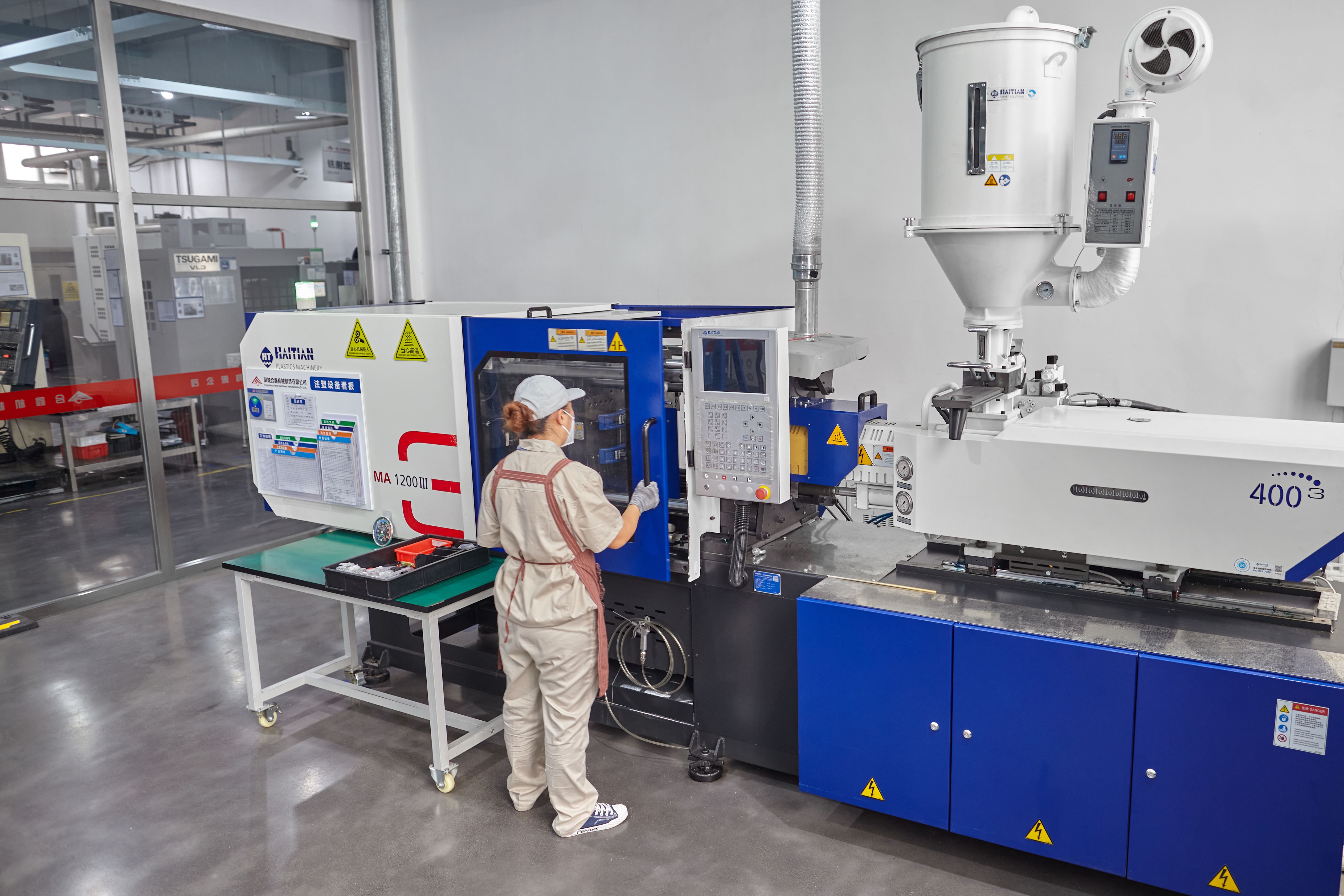
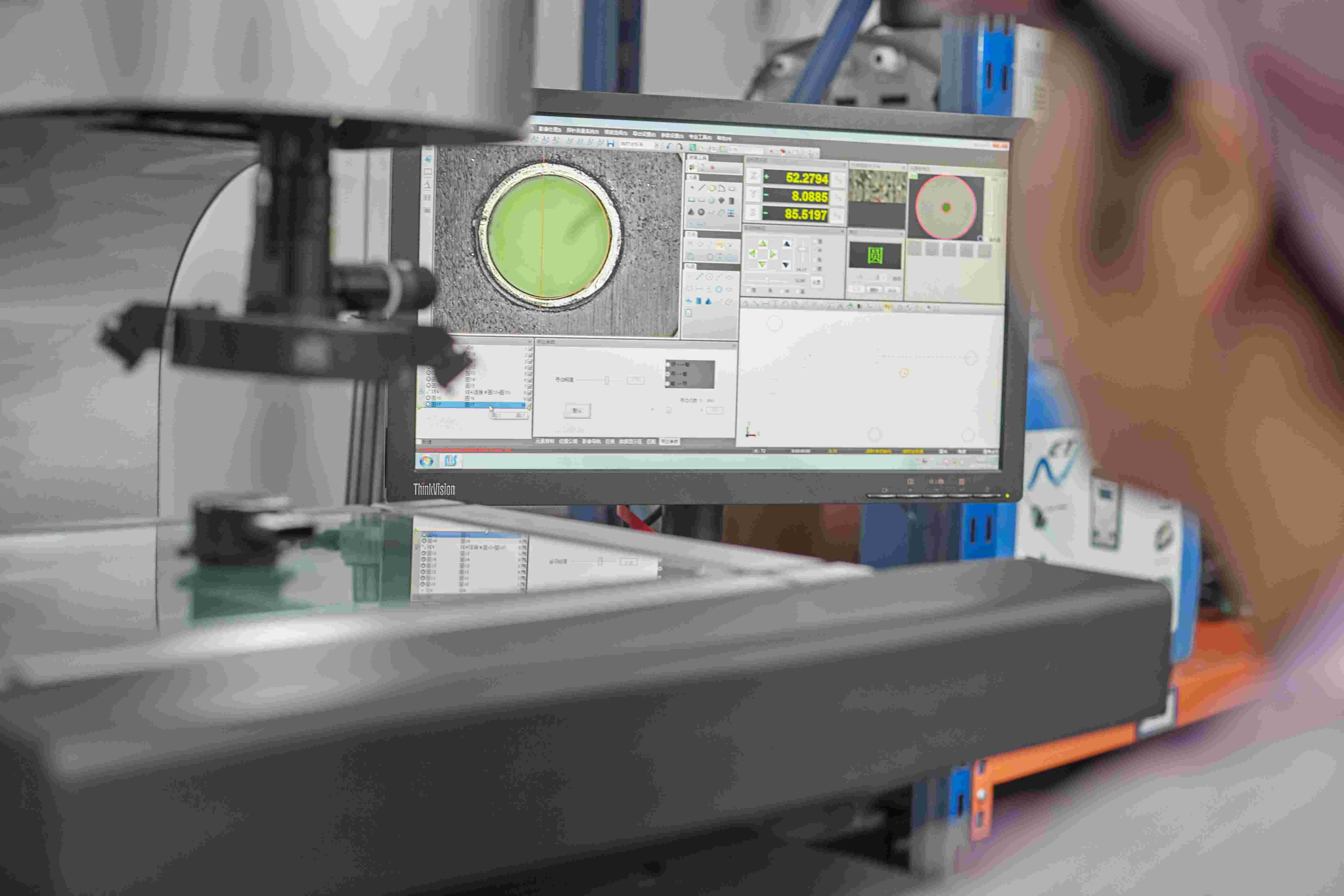
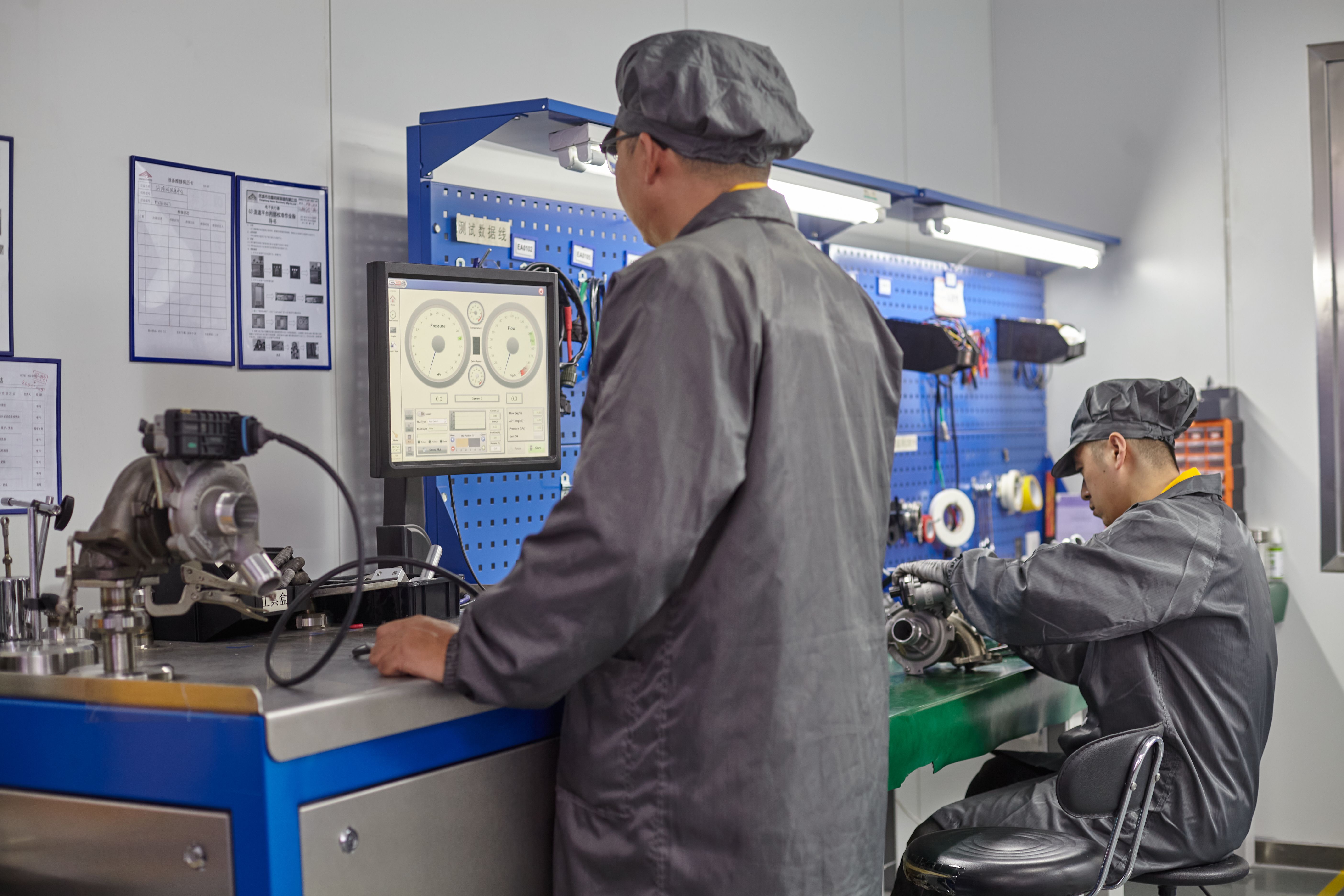
Turbocharger electronic actuator factory display
- Jun.28, 2025 14:32:24
- 0 Comments
Turbocharger electronic actuators are pivotal components in modern internal combustion engines, playing a crucial role in enhancing engine performance, efficiency, and emissions control. Unlike traditional mechanical actuators, electronic actuators leverage advanced electronics and control algorithms to precisely manage the turbocharger's operation, enabling more dynamic and responsive performance.
At the core of their functionality, turbocharger electronic actuators regulate the position of the wastegate or variable turbine geometry (VTG) mechanism within the turbocharger. The wastegate is a valve that diverts exhaust gases away from the turbine, controlling the boost pressure generated by the turbocharger. In VTG turbochargers, the actuator adjusts the shape of the turbine blades to optimize airflow and boost across a wide range of engine speeds and loads.
The electronic actuator receives signals from the engine control unit (ECU), which monitors various engine parameters such as speed, load, temperature, and throttle position. Based on these inputs, the ECU calculates the optimal boost pressure required for the current driving conditions and sends corresponding commands to the actuator. The actuator then precisely positions the wastegate or VTG mechanism, ensuring that the turbocharger delivers the desired boost pressure promptly and accurately.
One of the key advantages of electronic actuators is their high precision and repeatability. They can make minute adjustments to the turbocharger's operation, responding quickly to changes in engine conditions and driver demands. This results in improved throttle response, reduced turbo lag, and enhanced overall engine performance. Additionally, electronic actuators can adapt to varying environmental conditions, such as altitude and temperature, maintaining consistent performance across different operating scenarios.
Another significant benefit is the integration of advanced control strategies. Electronic actuators enable features such as boost-by-gear, where the boost pressure is adjusted based on the selected gear ratio to optimize acceleration and fuel efficiency. They also support functions like overboost, which temporarily increases the boost pressure for enhanced performance during passing maneuvers or rapid acceleration.
In terms of emissions control, electronic actuators contribute to reducing harmful pollutants by enabling more precise control of the air-fuel ratio and exhaust gas recirculation (EGR). By optimizing the turbocharger's operation, they help ensure that the engine runs more efficiently, minimizing the production of nitrogen oxides (NOx), particulate matter (PM), and other pollutants.
Turbocharger electronic actuators find widespread applications in various types of vehicles, including passenger cars, commercial trucks, and high-performance sports cars. They are also increasingly used in diesel engines, where precise boost control is essential for meeting stringent emissions standards and improving fuel economy.
In conclusion, turbocharger electronic actuators are indispensable components in modern engine technology, offering precise control, enhanced performance, improved efficiency, and better emissions control. As automotive manufacturers continue to strive for greater fuel efficiency and reduced emissions, the role of electronic actuators in turbocharger systems will only become more critical in the future.

Post Comment
Your email address will not be published.Required fields are marked. *
We and our partners use cookies and other technologies to improve your experience, measure performance, and tailor marketing. Details in our Privacy Policy.