CN(CNY)
 FR(EUR)
 GB(GBP)
 CA(CAD)
 AU(AUD)
 AE(AED)
 JP(JPY)
 KR(KRW)
 PH(PHP)
JCDL Turbo blog
Turbocharger Prelubrication Guide
- Dec.23, 2025 00:00:00
- 0 Comments
Turbochargers are close-tolerance, high-precision, high-speed, rotating units with speeds exceeding 100,000 RPMs. The turbine wheel shaft is centered on a film of pressurized engine oil, and if not pre-lubricated correctly before engine start-up, the turbo will be destroyed. Scorched, scored, seized, grooved, or melted bearings and or turbine shaft will void any warranty. To avoid dry starting the turbo follow the oiling procedure described below.
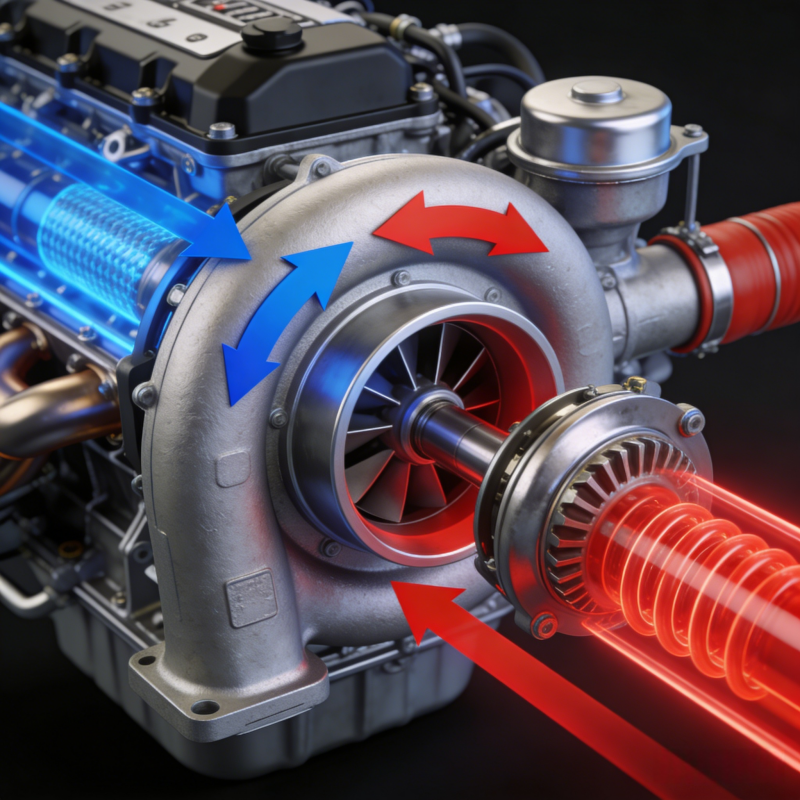
- The engine oil, oil filter(s), and air filter(s) must be replaced with new equivalent items before installing the turbo. Some units have a micro screen filter inside the oil supply fitting that must be replaced as well.
- Note: Don’t forget to inspect air and exhaust inlets and outlets for any obstructions, damage, or debris.
- A new oil supply line is highly recommended due to possible Petroleum Coke (carbon buildup) breaking loose and stopping up oil ports.
- Make sure the oil drain line has been cleaned and installed with a new gasket and is completely clear of any obstructions or kinks. Any silicone use will void warranty. Any restriction in oil drainage will cause seal leakage.
- Before the engine is started, lubricate the turbo with correct, clean, engine oil. Slowly pour 2 to 3 ounces (50 to 60 cc) of oil into the supply fitting while carefully rotating the turbine wheel by hand. Be patient as it may take a while. DO NOT use compressed air or air tools to turn the turbine.
- Flush/prime the oil supply line by turning the engine over but not letting it start up. Do this until the supply line has unrestricted free flow of oil. DO NOT hold compressor wheel to flush / prime oil line. Any air left in oil supply line can cause turbine shaft and or bearing damage and void warranty.
- After completing the install, let engine idle at a low idle for 3-5 minutes.
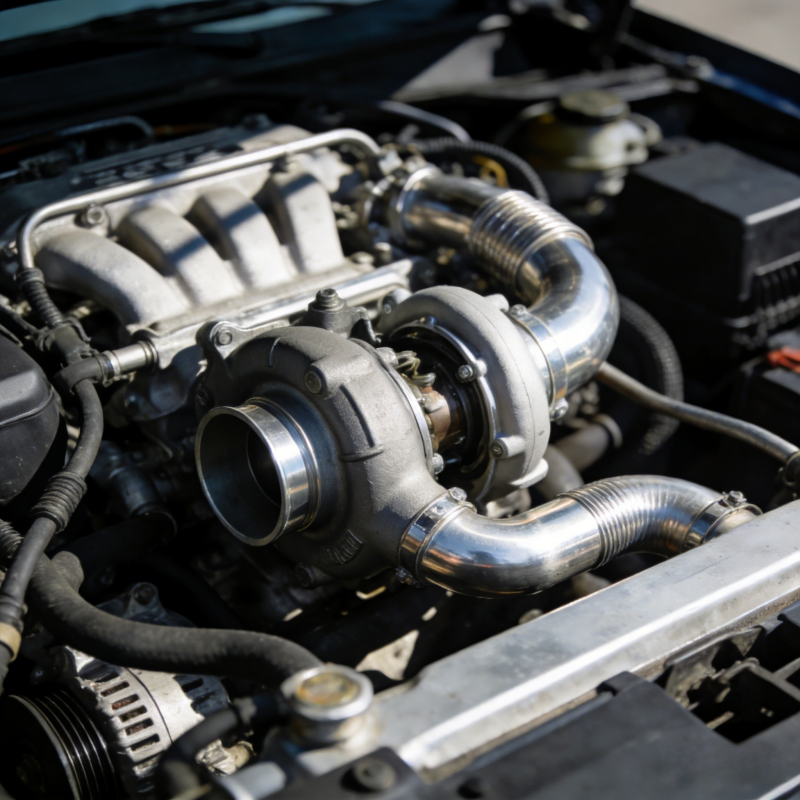
Please note this prelubrication notice is provided for your technical reference and is not an authorization for repair nor is it meant to be a complete guide to turbo installation or a replacement to common sense.
- Previous: What Are The Benefits Of Reconditioning Your Turbo?
- Next: None
Post Comment
Your email address will not be published.Required fields are marked. *
We and our partners use cookies and other technologies to improve your experience, measure performance, and tailor marketing. Details in our Privacy Policy.